Subtitle
Title
Title
SCAN TO BIM
SCAN TO BIM : The core authority in Digital construction ransformation
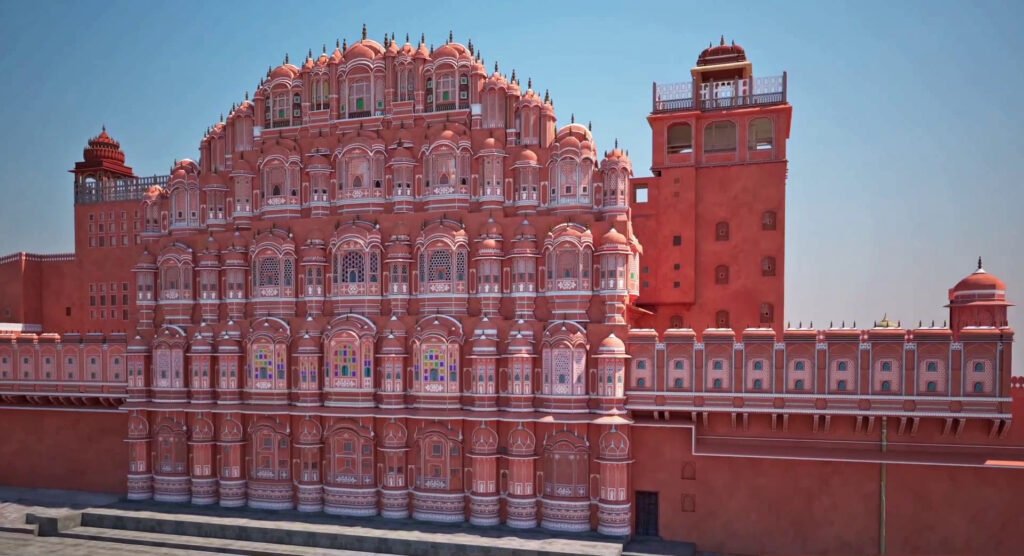
In a rapidly evolving world, the need to protect and preserve our cultural heritage has never been more critical. At Shayona Tech, we're at the forefront of this vital mission, utilizing advanced Lidar scanning technology to safeguard the past for future generations. Our heritage conservation services are rooted in a commitment to meticulous documentation and non-invasive preservation, supported by cutting-edge technology. Here's how Shayona Tech is making a difference in heritage conservation through Lidar scanning:
Introduction
In the rapidly evolving architecture, engineering, and construction (AEC) industry, precision and efficiency are no longer optional—they are essential. Scan to BIM (Building Information Modeling) has emerged as a core authority technology that bridges the gap between existing physical structures and intelligent digital models.
Whether it's heritage conservation, infrastructure redevelopment, or smart city planning, Scan to BIM is redefining how projects are visualized, documented, and executed.
What is Scan to BIM?
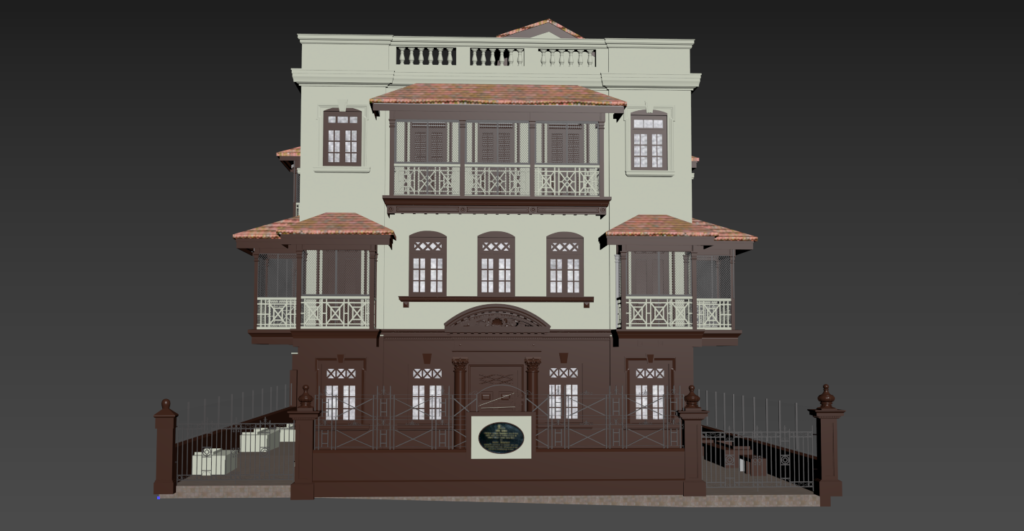
Scan to BIM is the process of capturing real-world conditions using advanced technologies like LiDAR scanning, laser scanning, or photogrammetry, and converting that data into accurate, data-rich 3D BIM models.
These models include:
- Structural components (walls, beams, columns)
- Architectural details
- MEP systems
- Spatial data and measurements
- Why Scan to BIM is a Core Authority Technology
1. Unmatched Accuracy
Traditional surveying methods often leave room for human error. Scan to BIM delivers millimeter-level precision, ensuring reliable data for design and execution.
2. Time Efficiency
Large-scale structures can be captured within hours, reducing project timelines significantly compared to manual measurement methods.
3. Risk Reduction
Accurate existing-condition models minimize clashes, rework, and unforeseen issues during construction or renovation.
4. Digital Twin Enablement
Scan to BIM forms the foundation for Digital Twin technology, enabling real-time monitoring and lifecycle management of assets.
Applications of Scan to BIM
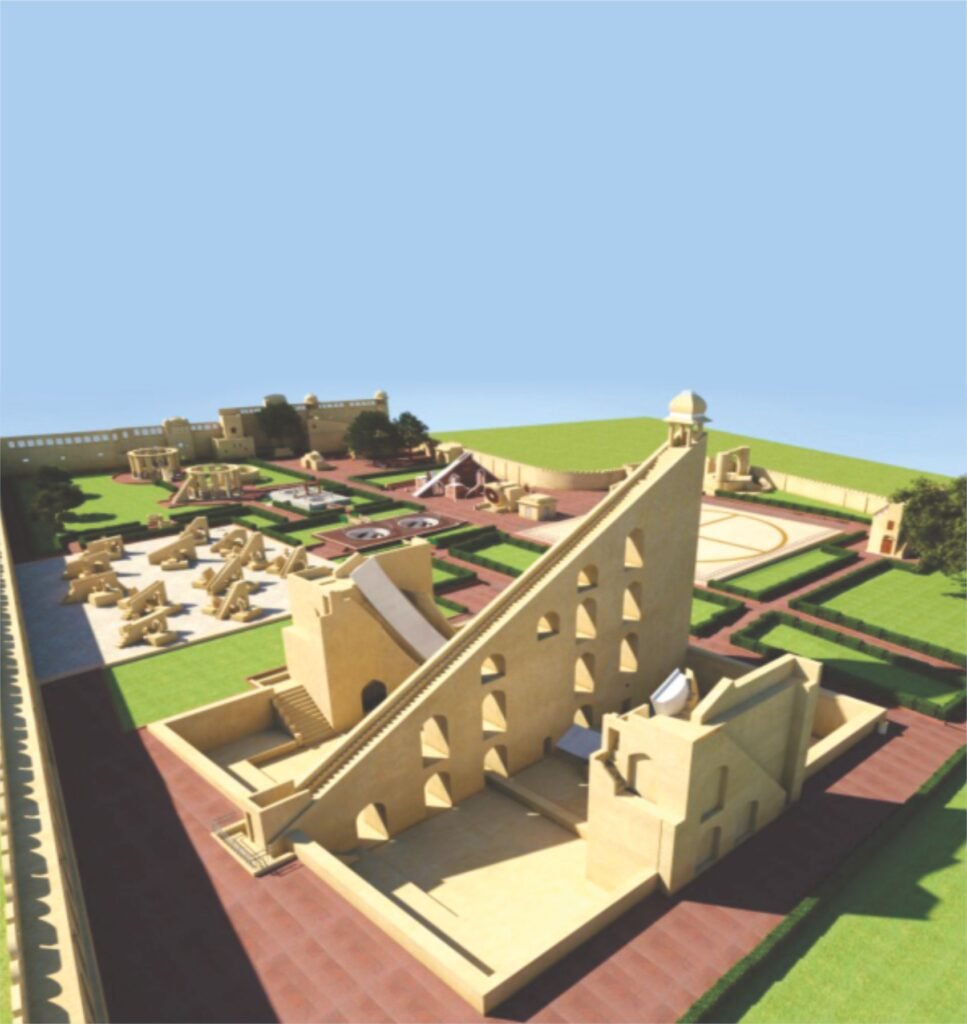
1. Heritage Conservation
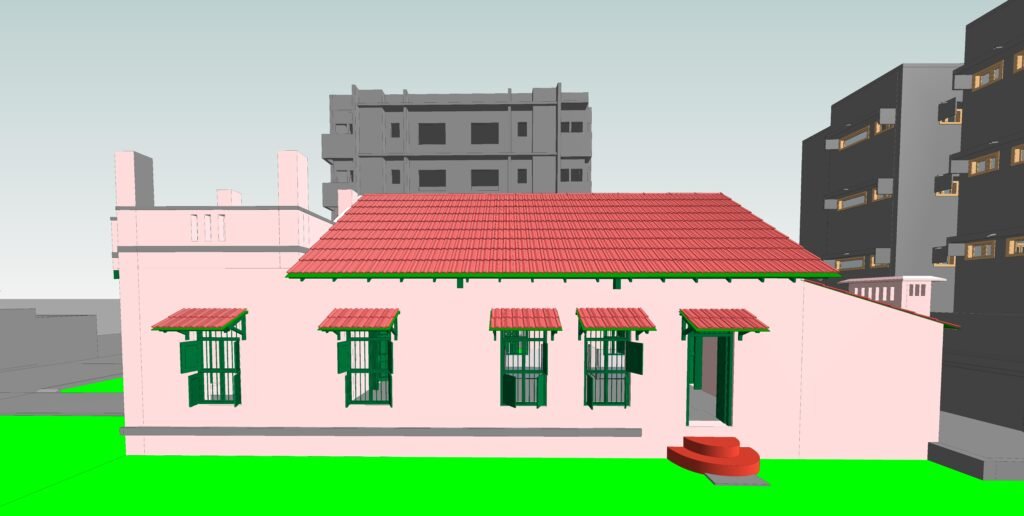
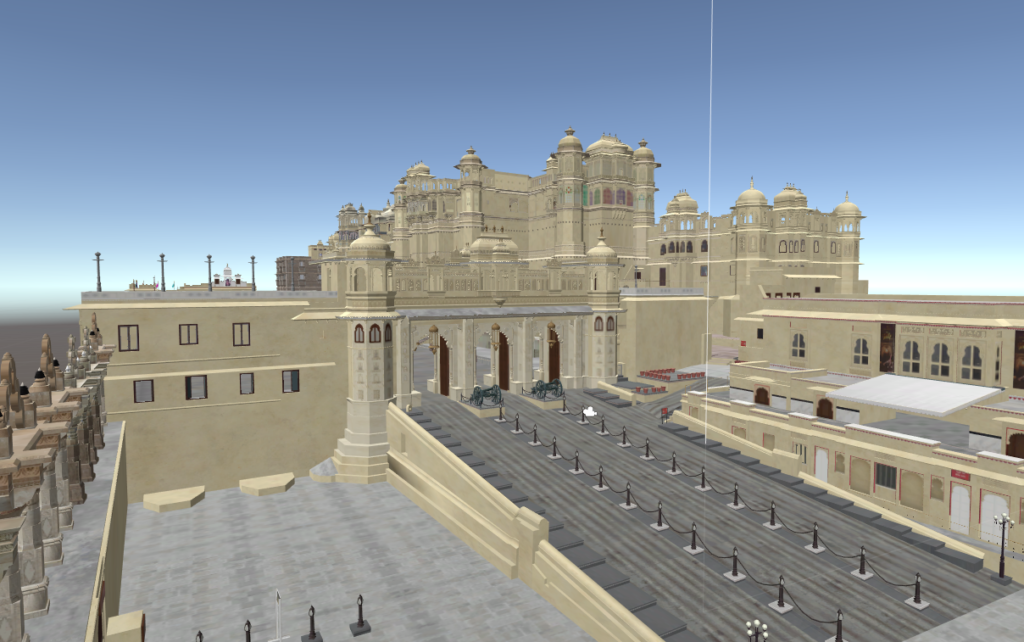
Preserving historical monuments requires high precision. Scan to BIM ensures accurate digital documentation for restoration and conservation projects.
2. Infrastructure Assessment
Used in bridges, highways, and industrial plants to evaluate structural conditions and plan maintenance.
3. Renovation & Retrofit Projects
Helps architects and engineers understand existing conditions before redesigning or upgrading structures.
4. Facility Management
Provides asset data for ongoing maintenance, operations, and lifecycle tracking.
5. Smart City Development
Supports GIS integration, urban planning, and data-driven infrastructure development.
Key Technologies Used
- LiDAR Scanning
- 3D Laser Scanners (Terrestrial & Mobile)
- Drone/UAV Surveys
- Point Cloud Processing Software
- BIM Software (Revit, ArchiCAD, etc.)
Future of Scan to BIM
With the integration of:
- AI-driven modelling
- Cloud collaboration platforms
- AR/VR/MR visualization
- Scan to BIM is becoming the backbone of next-generation construction workflows.
Conclusion
Scan to BIM is not just a service—it is a core authority in digital transformation within the AEC industry. It empowers stakeholders with accurate data, improves project efficiency, and enables smarter decision-making.
As projects become more complex and demand higher precision, adopting Scan to BIM is no longer an option—it is a necessity.
CATEGORIES
RECENT POSTS
#SHAYONA TECH